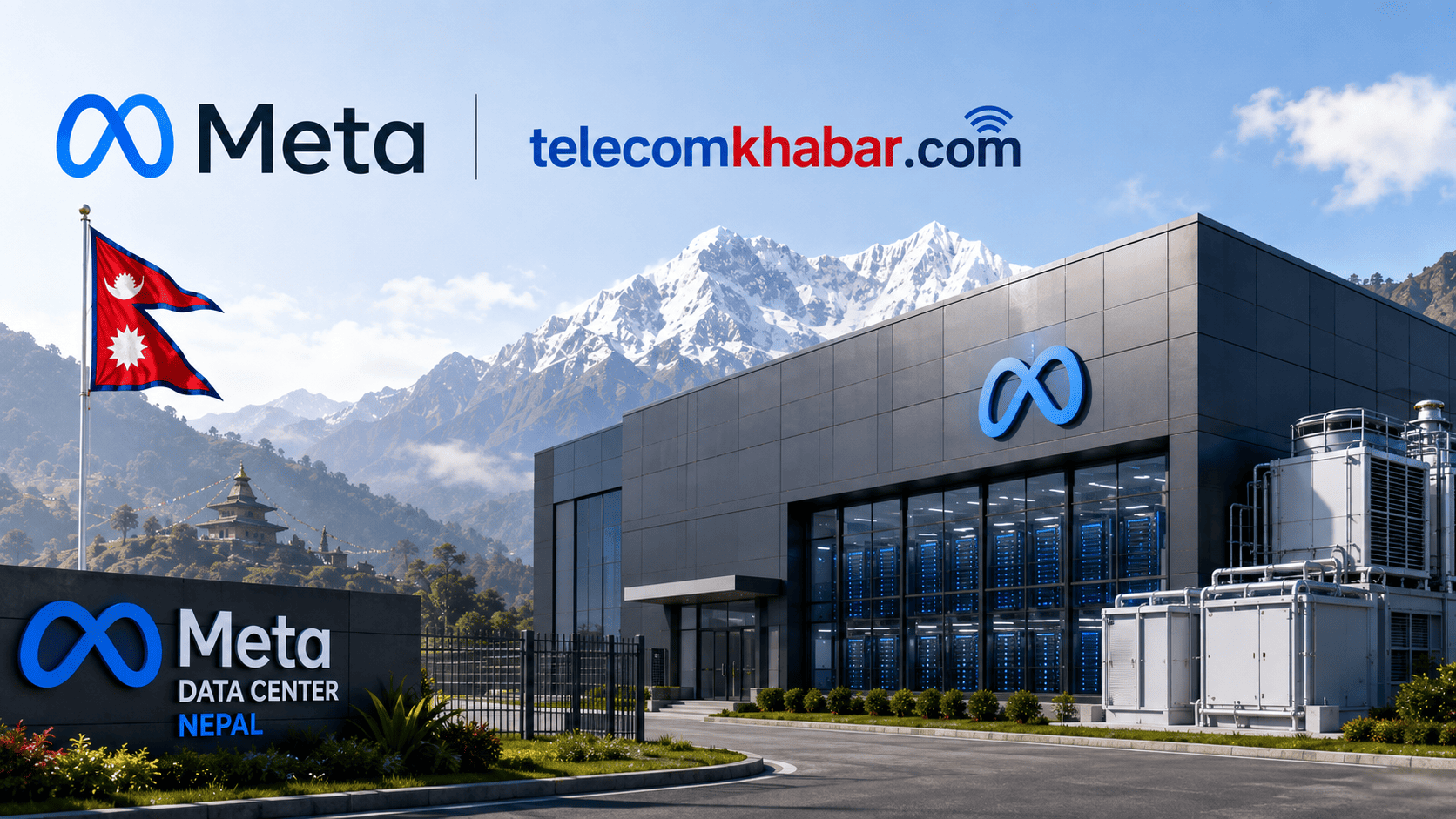
Facebook-Meta to setup Physical Infrastructure in Nepal
Meta, the social media giant that runs the most popular social media like Facebook, Instagram, Whatsapp, Threads, Messenger have announced to setup the Physical Infrastructure in Nepal. The news came during the SANOG conference held between 26–28 July at Marriot Kathmandu Nepal.
This annauncement of setting up the physical infrastructure in Nepal is done by the Meta representative Matt Jansen during the second day of the SANOG 44 programs. This will be the POP infrastructure- Physical Point of Presence. This will be based on colocation and meta will use Data World Center located at Matatirtha Kathmandu valley, developed by Worldlink communications. According to industry expert, this types of infrastructure would help to save the international bandwidth while making internal internet faster.
What is POP server?
A Point of Presence (PoP) for a server is a physical location—usually inside a secure data center or internet exchange point—where servers, routers, and switches connect different networks together. It acts as a local bridge to bring digital content closer to users and reduce delay.
It many contains different routers, switches, edge servers,etc. For Meta’s POP server, it will co-locate in Data World data center at matatirtha.
How it helps in Nepal internet?
After meta locate, Point Of Presence in Nepal, there can be different benefits like:
A) Low Latency:
Latency is basically how long it takes data to travel between the user and the service. So, whenever users want to access the facebook or instagram content, then to get that data, the time would be less since that content is locally stored in Nepal. However, not all data might get stored in Nepal.
B) Cost Savings:
One of the important things the ISP’s could benefit is by saving the cost. The cost is saved due to reduce in international bandwidth. There is high money expenses to buy the international bandwidth which ISP’s is paying. This helps to reduce the international bandwidth offering cost saving approach to nepal’s ISPs.